Español
 English

Tropical Flower Buying Guide for Bold, Exotic Arrangements
Why Tropical Arrangements Make an Immediate Impact
Tropical flowers and foliage are a natural fit when the goal is to create something bold, fresh, and memorable. Their shapes, colors, and textures bring instant energy to a design, whether the setting is a wedding ceremony, a luau-style celebration, or a corporate reception that needs a stronger visual identity.
For buyers, the most important step is not simply choosing bright blooms. It is selecting stems and greens that work together as a complete composition. The best tropical arrangements usually pair standout flowers with structured foliage so the design feels full, balanced, and intentional.
When shopping, look for stems that can serve a clear role in the arrangement. Some should act as focal flowers. Others should support the shape, frame the design, or soften transitions between colors and textures. This approach helps you buy with purpose and create arrangements that look strong from every angle.
Best Tropical Stems to Consider
High-impact tropical arrangements often start with a few strong focal blooms. These flowers bring color and form to the design, making them useful for centerpieces, aisle arrangements, stage décor, and statement installations.
- Orchids for a refined look with graceful lines and a polished finish.
- Anthuriums for glossy texture and a modern, sculptural feel.
- Ginger for height, movement, and an unmistakable tropical presence.
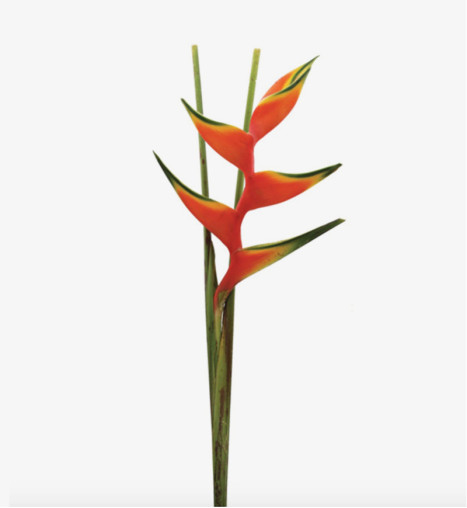
- Heliconia for dramatic shape and a strong visual centerpiece.
- Bird of paradise for a recognizable tropical silhouette that works well in bold designs.
Each of these stems can be used on its own or mixed with other blooms to create depth. A good buying strategy is to choose one or two focal flowers and then build the rest of the design around them. This keeps the arrangement cohesive instead of visually crowded.
It also helps to consider scale. Larger event pieces may need flowers with stronger visual weight, while smaller table arrangements can rely on fewer stems and more foliage to achieve a clean tropical look. If you are buying for multiple event spaces, order combinations that can be adapted across different sizes.
How to Choose Greens That Strengthen the Design
Foliage is what gives tropical arrangements structure, movement, and fullness. In many cases, the greens are just as important as the flowers because they set the shape of the arrangement and help the blooms stand out. Fresh foliage can also make an arrangement feel more layered and natural.
Look for greens that match the tone of the event and the size of the design. Broad, glossy leaves create a strong backdrop for dramatic flowers. Narrower leaves can add movement and make a design feel lighter. For many buyers, a mix of foliage types creates the most versatile result.
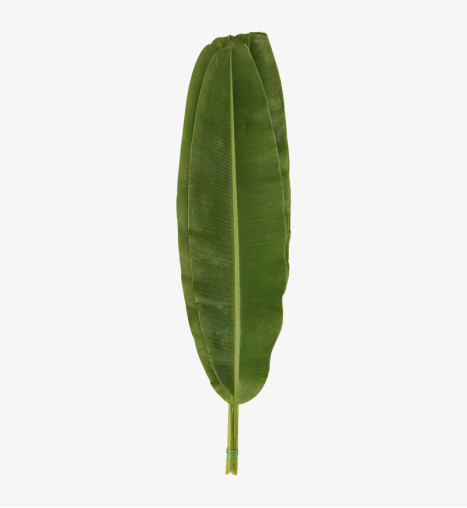
- Fresh Palm Leaves for strong lines, height, and a classic tropical profile.
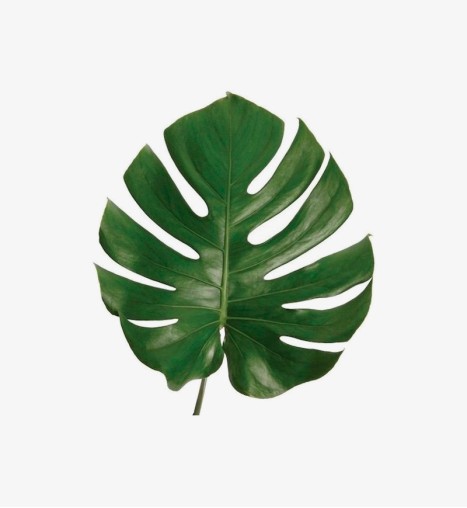
- Monstera leaves for large, recognizable shape and bold coverage.
- Ti leaves for smooth, clean structure that works in many arrangements.
- Aspidistra for shaping and wrapping when a neat, tailored finish is needed.
When combining greens, think about contrast. A large leaf can anchor the arrangement, while smaller foliage can fill gaps and soften edges. This balance is especially useful for weddings and corporate events, where the design should feel elevated rather than overly dense.
In many tropical designs, greens are not just fillers. They are part of the visual story. Choosing the right foliage can help a simple flower selection look richer, more intentional, and better suited to the event style.
Pairing Flowers and Greens by Event Type
The same tropical stems can look very different depending on how they are combined. Event style should guide your buying decisions, especially if you are designing for weddings, luaus, or corporate functions with different visual goals.
Weddings
For weddings, balance is key. Tropical elements can be bold, but the overall arrangement should still feel polished and romantic. Orchids and anthuriums often work well here because they can be paired with elegant foliage and arranged in a way that feels refined. Use greens to soften strong shapes and create movement around the flowers.
Luaus and festive celebrations
Luau-inspired events usually allow for more color, texture, and volume. This is where heliconia, ginger, bird of paradise, and layered greens can create a lively, celebratory effect. Buyers can lean into a more expressive mix of stems and foliage to support a playful, high-energy atmosphere.
Corporate events
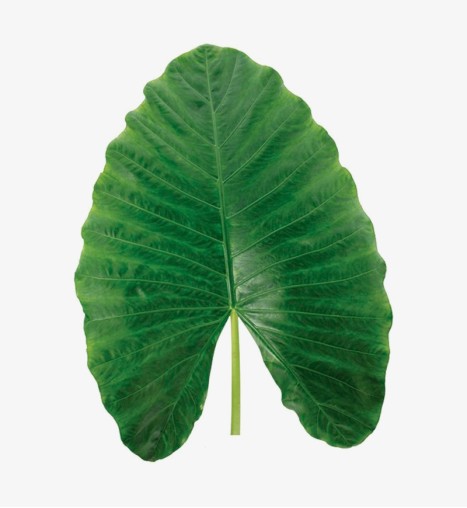
For corporate settings, the goal is often to make a strong impression while keeping the design professional. Clean shapes, structured foliage, and a limited color palette can help the arrangement feel sophisticated. Large leaves and a few well-chosen focal flowers often create enough impact without overwhelming the space.
No matter the event, the most successful tropical arrangements tend to feel edited rather than excessive. Choosing flowers and foliage with a clear purpose makes the final design easier to execute and more consistent across different event areas.
Buying Tips for Florists and Event Planners
When purchasing tropical flowers and greenery, think in terms of use, volume, and flexibility. The right buying plan saves time during design and helps prevent last-minute substitutions that can change the look of the event.
- Start with the design brief. Identify the event mood, color direction, and scale before selecting stems.
- Choose focal flowers first. Build the arrangement around one or two standout blooms, then add supporting pieces.
- Balance flowers with foliage. Make sure you have enough greens to shape and finish the arrangement cleanly.
- Order with variety in mind. A mix of form, size, and texture gives you more flexibility when assembling pieces.
- Match stems to the venue. Larger spaces can handle stronger visual statements, while intimate settings may need a lighter approach.
It is also smart to think about consistency across multiple arrangements. If you are designing for a wedding, for example, the ceremony pieces, centerpieces, and accent décor should feel related even if they are not identical. Buying a coordinated selection of flowers and greens makes that much easier.
For planners managing several event elements at once, tropical designs are often most successful when the same core materials are repeated in different ways. A flower used in the centerpiece can also appear in a welcome arrangement or stage piece, creating a unified look without forcing every design to match exactly.
Building a Bold Tropical Look with Confidence
The best tropical arrangements feel strong because every stem has a job. Focal flowers bring drama, greens bring structure, and the combination creates a design that reads clearly from a distance and up close. Whether you are sourcing Fresh Cut Tropical Flowers and greenery for a wedding, a luau, or a corporate event, the key is to buy with the final design in mind.
Start with the statement flowers, support them with the right foliage, and keep the overall composition balanced. When the stems are chosen carefully, tropical arrangements can deliver the bold, exotic look clients want while still feeling clean, thoughtful, and event-ready.